Wellbeing at work: how do we turn good intentions into real impact?
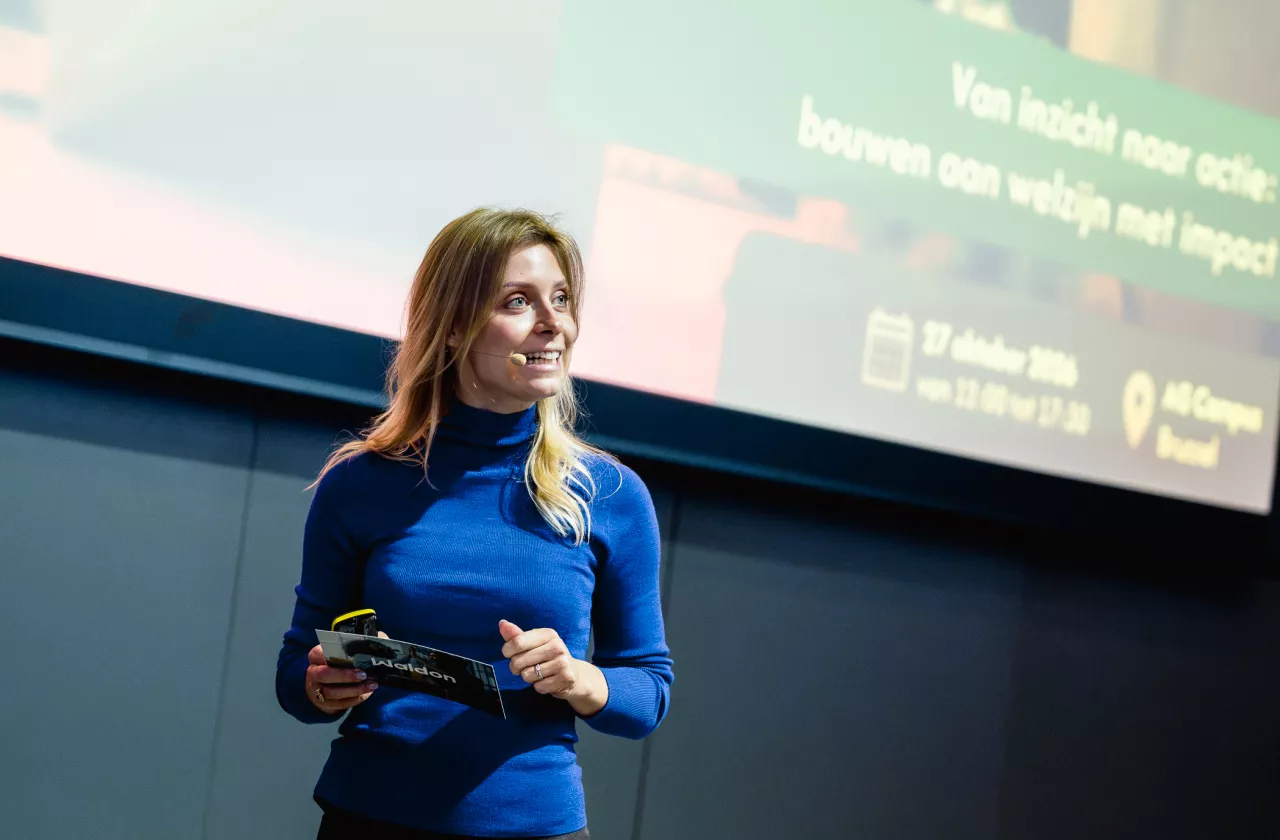
Nine out of ten organisations invest in wellbeing at work. Yet only one in seven truly integrates wellbeing into their business strategy. And whilst eight in ten HR professionals describe their wellbeing initiatives as successful, half of employees do not share that view. According to SD Worx, more than one in ten working days are now lost to absenteeism in Belgium. Why do so many wellbeing initiatives yield so few results? And what actually works? These questions were at the heart of our annual event on wellbeing at work.
Some highlights from our event
Three mindset shifts for greater impact
The urgency is clear. According to SD Worx, absenteeism costs Belgian employers an average of 1,609 euros per full-time employee per year, excluding indirect costs such as loss of productivity, increased workload and loss of knowledge. Yet for many organisations, it remains a challenge to translate wellbeing initiatives into measurable results.
To bridge this gap between intention and implementation, three fundamental shifts are needed in the way organisations approach wellbeing at work.
-
From measuring to prioritising
Organisations are collecting ever more data on wellbeing and psychosocial risks, but are failing to set priorities and allocate resources effectively.
-
From the individual to the context
80 per cent of wellbeing initiatives focus on individual employees, whilst the working environment, the team and the line manager together account for around 70 per cent of wellbeing.
-
From prevention and cure to boosting energy and satisfaction
An effective wellbeing policy prevents stress and supports recovery, but also reinforces what gives employees energy, fulfilment and motivation.
A mindfulness app does not change the workload
Mindfulness, resilience training, stress management, sleep apps… Organisations are investing in all sorts of initiatives to improve employee wellbeing. But do they actually work?
Dr. William Fleming, a researcher at the University of Oxford, analysed the effectiveness of eleven popular wellbeing interventions – including mindfulness, coaching and resilience training – amongst 46,000 employees from 250 British organisations. “The results are sobering: on average, participants scored barely any better on job satisfaction, mental health or engagement than colleagues who did not take part. Only volunteering showed a positive link to wellbeing, possibly thanks to the combination of being actively engaged and social connection.”
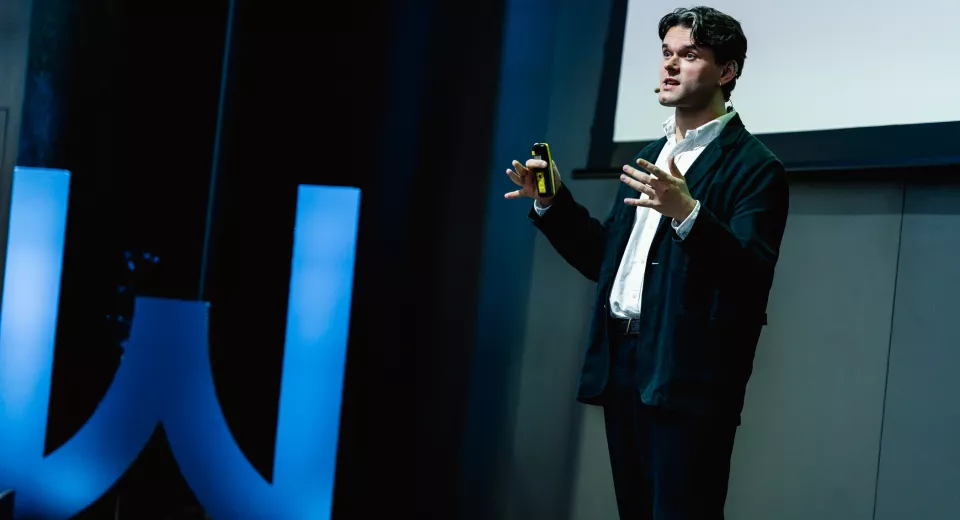
According to Dr. Fleming, sustainable wellbeing requires structural improvements in the quality of work. Key levers in this regard include: workload, autonomy, flexibility, collegial relationships, trust and support. “If job demands outweigh the available time, resources and support, wellbeing comes under pressure. Programmes that focus on individual resilience do little to change those circumstances.”
That is why Dr. Fleming advocates a systematic and participatory approach, structured around three steps, which he believes has much in common with Waldon’s Measure – Plan – Act approach.
- Analyse which levers for wellbeing within your organisation are under the most pressure.
- Involve staff in finding solutions. They know the day-to-day reality of their job and where the bottlenecks lie.
- Implement targeted improvements and evaluate their impact, for example through pilot projects.
This does not have to be complicated. Dr. Fleming refers to Australian research in which nurses’ wellbeing improved significantly when they were able to spend thirty minutes a day on administrative tasks without interruption. A simple, targeted intervention that effectively alleviated the workload
“Anyone wishing to improve staff wellbeing must first understand exactly where the problems lie in their day-to-day work. Then involve the people doing that work in developing solutions.”
Wellbeing as a driver of productivity: time for a strategic approach
Europe is seeking productivity growth and is focusing primarily on digitalisation and AI. But according to Nisha Alberts, Head of Workplace Wellbeing & Health at Zilveren Kruis, one key lever remains underutilised: employee wellbeing. Research by Gallup and Oxford shows that investing in wellbeing pays off. For example, British Telecom achieved a 12 per cent increase in sales, and productivity on more complex tasks can rise by 21 per cent when wellbeing improves.
What makes people feel truly good at work? Nisha Alberts presented a scientifically underpinned wellbeing model, developed in collaboration with TNO and the Erasmus Happiness Economics Research Organization. It comprises nine domains across three pillars: health, livelihood security and flourishing. “In addition to physical and mental health, autonomy, psychological safety and financial security are also important. To truly flourish, employees also need connection, a sense of purpose and opportunities for development. The working environment is crucial in this regard: for example, managers have a greater influence on employees’ mental health than partners, doctors or therapists.
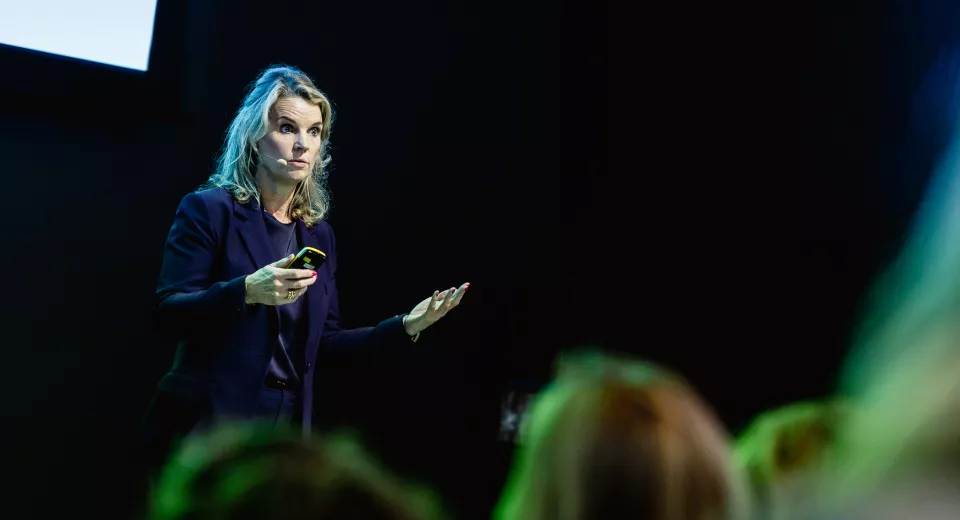
Wellbeing is the responsibility of the entire organisation, with the CEO at the helm and the CFO as a key ally. After all, lower absenteeism, lower staff turnover and higher productivity also yield financial gains.
Using a scientifically underpinned impact model, organisations can calculate the financial returns of wellbeing. For example, a 0.1-point increase in mental energy can already generate millions of euros in additional turnover. “A strong argument for putting wellbeing on the board’s agenda.”
An integrated approach is becoming even more important now that AI is transforming the way we work. In the healthcare sector, AI can lighten the administrative burden and free up time for patients. But when AI takes over patient checks, autonomy and a sense of purpose can be lost. Organising work in such a way that people stay healthy, flourish and contribute to the full is becoming the key to sustainable productivity growth.
From Great Place to Work to Brave Place to Work: Torfs’ approach
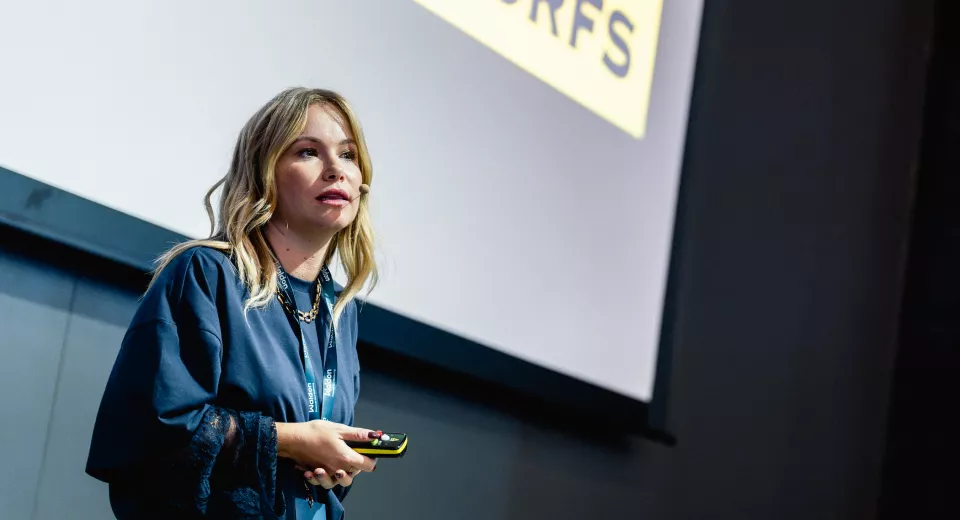
Voted Belgium’s best employer eleven times, with a strong family culture and a distinctly people-centred approach. And yet, following the pandemic, the footwear chain Torfs saw absenteeism rise to 13–14 per cent. For Mellissa Buys, HR manager at Torfs, this was a significant warning sign. Discussions revealed that employees had often been struggling with issues for some time, without these being spotted or discussed in good time. Torfs decided to take it a step further: from Great Place to Work to Brave Place to Work.
“We want to create a working environment in which employees have the courage to set their boundaries, express their ambitions, share their concerns and speak up to one another. That also requires courage from our managers.”
This ambition took shape through initiatives such as the ‘Table of Courage’ for discussing sensitive topics, leadership training, one-to-one walks with the CEO, clear agreements on flexibility and an Employee Assistance Programme (EAP) offering 24/7 professional support. Within the first few months, 6 per cent of staff had already made use of the EAP.
The results are promising: within a year, total sickness absence fell to below 10 per cent and short-term absence to 2.6 per cent. “This success is down to the people-centred culture built up over many years, the active commitment of senior management and a strong support network comprising colleagues, managers, HR and external partners.”
From KPIs to campfire conversations
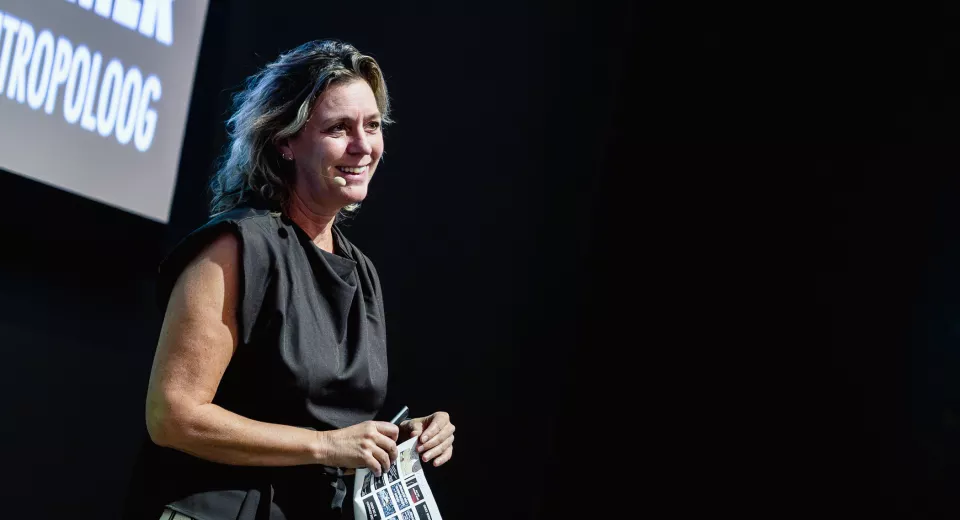
How do you provide direction to an organisation when so many certainties are up in the air? Corporate anthropologist Jitske Kramer challenges us to look at change and leadership differently.
According to Jitske Kramer, we live in an increasingly ‘square’ world of KPIs, efficiency and control. But people also need the ‘round’ world of stories, connection, emotions and meaning. Especially in times of change.
Jitske Kramer speaks of liminality: that uncomfortable transitional phase in which the old is fading away and the new has yet to take shape. It is an ‘extraordinarily magical time’, full of fear, nostalgia, uncertainty and grief, but also full of opportunities.